
31July 2026
A TV mounted above a fireplace is one of the most common requests I get from homeowners across Hamilton and the GTA. It looks sleek, saves floor space, and creates a clean, modern focal point in the living room. However, as a handyman who has installed countless setups, I don’t automatically say yes to every fireplace installation, nor do I automatically say no.
My rule of thumb is simple: if the fireplace is the only practical location and the installation can be done safely and comfortably, it can be a great option. But viewing height, heat exposure, and room layout all need to make sense first. A TV installation should balance appearance, safety, and everyday comfort—not just look good in a design photo.
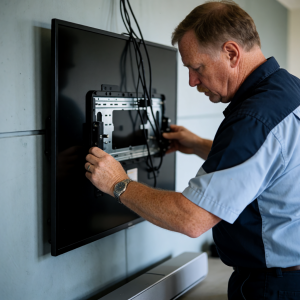
The Ergonomics Test: Balancing Appearance and Neck Comfort
The biggest mistake I see homeowners make is choosing a mounting location based only on appearance. A TV above a fireplace can look fantastic, but if you have to constantly tilt your head upward while watching, it becomes uncomfortable very quickly.
Before putting a single hole in the wall, I ask clients to sit in their normal viewing position on the couch and imagine watching a two-hour movie. If their neck is angled upward the entire time, we need to address that before moving forward. A proper installation should serve how you actually live in the room.
Finding the Right Mount for the Job
Choosing the right mount isn’t just about the size and weight of your screen; it’s about matching the mount to your room’s layout and structural setup.
-
Fixed Flush Mounts: Best when the fireplace is low and the viewing angle is already near eye level. They offer the cleanest look because the screen sits tight against the wall.
-
Tilting Mounts: Essential for setups where the TV sits slightly higher than ideal. Angling the screen downward reduces glare from lights or windows and provides a far better viewing angle. This is the minimum requirement for most fireplace installs.
-
Full-Motion and Pull-Down Mounts: Ideal for high mantels or open-concept rooms. A pull-down mount allows you to pull the screen down to eye level when watching movies, then push it back up above the fireplace when you’re done.
I remember a job in Hamilton where a homeowner renovated their living room and wanted a large 75-inch screen mounted above a gas fireplace. The fireplace was the centerpiece of the room, but testing showed the screen would sit much higher than comfortable viewing height. We installed a heavy-duty pull-down mount. It allowed them to lower the screen to eye level while watching sports or movies, then return it neatly above the mantel afterward. They got the sleek modern aesthetic without sacrificing neck comfort.
Heat Management: How to Protect Your Electronics
Excess heat is the single biggest threat to electronics mounted above a fireplace. High heat can shorten the lifespan of internal components, damage power supplies, and degrade screen performance over time. A mantel helps, but I never assume it provides enough heat protection without proper testing.
My 5-Step Fireplace Heat Test
Before installing any bracket, I run a systematic heat check:
-
Inspect the Fireplace Design: I look at whether it is gas, electric, or wood-burning, locate the air vents, and determine where heat travels.
-
Run the Unit at Full Operating Temperature: I ask the homeowner to run the fireplace the way they normally would for an extended period, not just a couple of minutes.
-
Measure Wall Temperatures: I use an infrared thermometer to test temperatures directly above the opening, behind the prospective TV location, and along cable routing paths.
-
Review Manufacturer Clearances: I cross-reference wall temperature readings against both the fireplace clearance requirements and the TV’s recommended operating range.
-
Implement Protective Measures: If temperatures are borderline, we can install a properly sized mantel to deflect heat, add a specialized heat shield, increase vertical spacing, or use a pull-down mount to keep the screen further away from hot air.
On another local project, a customer had a beautiful stone fireplace and wanted a 65-inch screen above it. When I ran my heat check using an infrared thermometer, the wall temperature was significantly higher than acceptable limits. Rather than forcing a risky installation, we adjusted the vertical separation and added a heat-deflecting mantel. The screen looked great, and more importantly, their investment was protected.
Wiring and Code Compliance: Running Cables Safely
Hanging the bracket is usually the straightforward part, the real challenge is hiding power cords, HDMI cables, and soundbar wiring while staying compliant with electrical safety codes. A professional finish means no visible cords cascading down the wall.
Drywall vs. Masonry Wiring Considerations
For standard drywall construction, I locate framing studs, check for plumbing or existing electrical lines, and install low-voltage media boxes alongside recessed power outlets behind the mount. Running a standard extension cord inside a wall is a serious code violation and fire hazard; always use in-wall rated wiring and proper recessed electrical boxes.
Stone and brick fireplaces present a different structural challenge. You cannot simply fish cables through solid masonry. For brick and stone walls in Hamilton homes, I carefully evaluate existing gaps, route wiring through adjacent cabinetry or neighboring walls, or use color-matched surface raceways that blend in naturally with the surrounding trim.
I worked with a client who had a solid stone fireplace and wanted a totally hidden wiring setup for a 75-inch TV. Drilling recklessly through custom stonework can cause irreparable cracking. We planned an alternative routing path through an adjoining wall cavity, giving the customer a completely hidden wiring setup without damaging the natural stone finish.
Mounting Mechanics: Securing Heavy Screens to Tough Materials
A TV mount is only as strong as the surface holding it up. For drywall installations, securing the mount directly into solid wood studs is mandatory—especially for large screens where leverage creates substantial pulling force.
When mounting into brick or concrete masonry, I always anchor directly into solid brick or stone rather than the mortar joints whenever possible. Mortar degrades over time and lacks the consistent structural strength required for heavy dynamic loads, particularly when using articulating arms.
Always select heavy-duty lag bolts or specialized concrete anchors matched to the specific wall substrate, and choose a mount rated well above the weight of your TV.
Red Flags: When to Walk Away and Pick Another Wall
A professional installer knows when to say no. If mounting above the fireplace compromises safety, damages equipment, or ruins viewing comfort, I will recommend an alternative wall location. Here are the biggest warning signs:
-
Uncontrolled High Heat: Fireplaces that send hot air directly up the wall with no mantel, heat shield, or deflection mechanism.
-
Wood-Burning Stoves: Unvented wood stoves and older inserts that produce extreme radiant heat without certified clearance specs.
-
Deteriorating Masonry: Loose bricks, crumbling mortar, or decorative stone veneers unable to bear heavy mechanical loads safely.
-
Extreme Heights: Setups where high mantels force viewers to look up at extreme angles from standard seating distances.
-
Inability to Pass Wiring Safely: Situations where code-compliant electrical options cannot be installed safely.
Better Alternatives for Challenging Rooms
If a fireplace mount isn’t safe or comfortable, I usually recommend mounting the screen on an adjacent wall, placing it on a stylish media console, or rearranging room seating to prioritize comfort. The primary goal is to build a setup that is safe, comfortable, and built to last for years to come.
One Reply to “Can I Mount a TV Above a Fireplace?”