
24July 2026
If you’ve ever opened an IKEA box and seen dozens of parts, bags of hardware, and a thick instruction booklet, you’ve probably asked yourself: should I just hire someone for this?
The honest answer is, it depends. After assembling everything from simple nightstands to full PAX wardrobe systems, I can tell you exactly when it makes sense to do it yourself and when hiring a professional handyman is worth it.
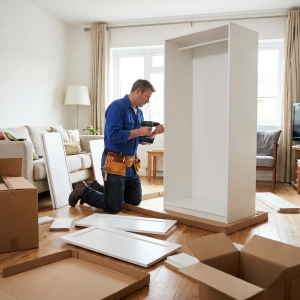
When It Makes Sense to Assemble IKEA Furniture Yourself
If the furniture is small and straightforward, most people can handle it without much trouble. Items like nightstands, basic bookshelves, coffee tables, and simple desks are designed with DIY assembly in mind.
If you enjoy hands-on projects, have a bit of patience, and can set aside a couple of hours, doing it yourself can actually be satisfying. Some people genuinely enjoy the process and treat it like a puzzle.
You’re a good candidate for DIY assembly if:
-
The item is small or low complexity
-
You have a few uninterrupted hours
-
You’re comfortable following step-by-step instructions
-
You don’t mind redoing a step if needed
In these cases, hiring someone may not be necessary.
When Hiring a Professional Is Worth It
Where things change is with larger, more complex furniture.
If you’re dealing with a PAX wardrobe, a BESTÅ wall unit, a bunk bed, or multiple pieces at once, assembly quickly becomes more demanding. These projects are heavier, take longer, and leave more room for costly mistakes.
I’ve seen this firsthand on many jobs.
Real Example: PAX Wardrobe Assembly Issue
One client started assembling a large PAX wardrobe and installed a side panel backwards early in the process. Everything seemed fine at first, but later the shelves and sliding doors wouldn’t align properly.
If they had continued, they would have had to completely disassemble the unit after finishing. I identified the issue, corrected the panel orientation, and reassembled everything properly, saving them an entire weekend of frustration.
Real Example: MALM Bed Frame Problem
In another case, a customer assembled a MALM bed but missed installing the center support system correctly. The bed looked complete, but it wasn’t structurally sound.
I had to partially disassemble it, install the support properly, and secure everything. This prevented long-term damage and potential safety issues.
Real Example: BESTÅ Wall-Mounted Unit
Wall-mounted furniture is where I see the biggest risks.
A client planned to mount BESTÅ cabinets directly into drywall using anchors. With the weight of the cabinets and electronics, that setup could have failed over time.
I located the studs, used proper mounting hardware, and leveled everything. The result was a clean, secure installation, and peace of mind.
Common IKEA Assembly Mistakes
From my experience, most mistakes fall into two categories: time-wasting mistakes and expensive mistakes.
Minor Mistakes That Cost Time
These are very common and usually don’t damage the furniture, but they can turn a quick job into a long one:
-
Rushing through instructions and skipping steps
-
Mixing up similar-looking screws and hardware
-
Tightening everything too early before full alignment
These mistakes often lead to partial disassembly and rework.
Expensive Mistakes That Cause Problems
These are the ones that can cost money, damage furniture, or create safety risks:
-
Installing panels backwards and noticing too late
-
Overtightening screws and stripping holes in particleboard
-
Misaligning drawer slides, causing poor function or failure
-
Improper wall mounting that can damage walls or lead to collapse
The most expensive mistake I see is when something goes wrong early in the process but isn’t caught until the furniture is fully assembled. At that point, fixing it often means taking everything apart and starting over.
DIY vs Hiring: The Real Cost
Most people compare the assembly fee to doing it themselves for “free,” but that’s not the full picture.
Time is the biggest hidden cost. A dresser that takes me 1–2 hours can take a homeowner 3–5 hours. A large wardrobe I can complete in half a day can turn into a full weekend project.
There are also additional costs to consider:
-
Tools: drills, levels, stud finders, and proper bits
-
Mistakes: damaged parts, stripped screws, or rework
-
Wall repairs from incorrect mounting
-
Lost time that could be spent working or with family
For many people, especially busy professionals or families, the time and frustration end up costing more than hiring someone.
A Simple Decision Framework
If a friend asked me whether they should hire someone, I’d keep it simple:
-
If it’s small, simple, and you enjoy DIY, do it yourself
-
If it’s large, heavy, wall-mounted, or involves multiple pieces, consider hiring a professional
-
If you know you get frustrated or tend to rush, hiring is usually worth it
A quick way to think about it:
-
One small item + free time + enjoy DIY = do it yourself
-
Several pieces + limited time = hire someone
-
Large wardrobe or wall-mounted unit = hire someone
-
If it already feels like a chore before you start = hire someone
Final Thoughts
IKEA furniture isn’t difficult, but it does require patience and attention to detail.
Most people can assemble it. The real question is whether it’s the best use of your time, and whether you’re prepared to deal with the frustration if something goes wrong.
If you enjoy the process and have the time, go for it.
If not, hiring a professional can save you hours of work, prevent costly mistakes, and ensure everything is done right the first time.
One Reply to “Should I Hire Someone to Assemble My IKEA Furniture?”