
8July 2026
How to Find a Reliable Handyman in Your Area
Finding a reliable handyman isn’t just about getting the lowest price or the fastest promise. It’s about trusting someone in your home, depending on their judgment, and knowing they’ll still be there if something goes wrong later. In this post, I’ll share how I think about reliability based on my own work, the mistakes I see customers make, and practical steps you can follow to find someone you can trust.
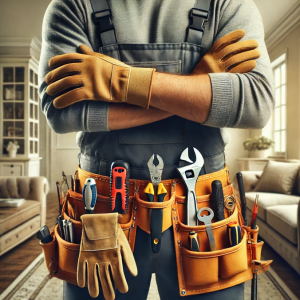
What “Reliable Handyman” Really Means
When I think about a reliable handyman, I’m not just thinking about technical skill with tools. I’m thinking about a set of behaviours that show respect for the customer’s time, home, and budget.
Punctuality and Respect for Time
Punctuality is near the top of my list. Homeowners and property managers often rearrange their schedules to be available for a service call, so showing up when you say you will matters. If I say I’ll be there at 9:00 a.m., I either arrive on time or communicate well in advance if something changes. In my experience, customers are usually understanding about delays, but they get frustrated when they are left wondering where the contractor is.
Clear Communication Over Jargon
Clear communication is probably even more important than technical skill. Many repair issues are unfamiliar to customers, so I make it a point to explain what I found, what needs to be done, what options are available, and what the expected cost will be. Customers appreciate straightforward language instead of jargon. I’ve found that people are much more comfortable approving work when they understand exactly what they are paying for.
Pricing Transparency and Avoiding Surprises
Pricing transparency is essential. I believe customers should know the expected cost before work begins whenever possible. Surprises on the invoice can damage trust quickly. If I uncover additional problems during a job, I discuss them with the customer before proceeding rather than simply adding charges afterward. This avoids misunderstandings and shows respect for the customer’s budget.
Quality Workmanship and Long-Term Repairs
Quality workmanship matters because repairs represent my reputation. I would rather spend a little extra time doing a job correctly than rush through it and risk a callback. A reliable handyman should use appropriate materials, follow safe practices, and leave repairs that will last rather than temporary fixes.
Cleanup and Respect for the Home
Cleanup is often overlooked but makes a huge difference. Customers notice whether a handyman leaves behind dust, packaging, screws, or construction debris. I believe the job is not finished until the work area is clean. Leaving a space cleaner than I found it shows professionalism and respect for the customer’s home.
Honesty About Limitations
Honesty about limitations is another key trait. Some jobs require a licensed electrician, plumber, or other specialist. In my opinion, a reliable handyman knows when a project is outside their scope and recommends the right professional instead of attempting work they are not qualified to perform.
Standing Behind the Work
Standing behind the work is important as well. If something I repaired fails because of my workmanship, I believe I should return and make it right. Customers value knowing that the handyman will still answer the phone after the invoice has been paid.
Ultimately, a reliable handyman consistently does what they say they will do: show up when promised, communicate clearly, charge fairly, perform quality work, clean up afterward, and take responsibility for the results. Those behaviours create trust, and trust is what keeps customers calling back and recommending a handyman to others.
Real-Life Stories That Show Why Reliability Matters
Advice is helpful, but stories are what really show the difference between a trustworthy handyman and a frustrating experience.
When Extra Problems Don’t Become Extra Drama
One situation that stands out involved a customer who called about a leaking bathroom faucet. Based on the description, I expected a simple cartridge replacement. When I opened things up, I found additional corrosion inside the valve body that would increase both the repair time and material cost.
Instead of proceeding and adding the charges later, I stopped, took photos, and showed the customer exactly what I found. I explained the options, the pros and cons of each, and the revised cost before doing any additional work. The customer appreciated being kept informed and approved the repair. At the end of the job, the final invoice matched what we had discussed. A few months later, that same customer referred me to a neighbour because they felt they could trust me.
The lesson here is simple: customers are usually not upset by higher costs when there is a legitimate reason. What frustrates them is feeling surprised or left out of the decision-making process. Clear communication before the work continues is often more important than the actual dollar amount.
When Poor Communication Destroys Trust
I also witnessed the opposite happen with another handyman on a property maintenance project. He repeatedly missed scheduled arrival times without notifying the customer and then submitted an invoice that included several charges that had never been discussed. To make matters worse, he left debris and packaging materials behind after the job was completed.
The customer was extremely frustrated. They questioned the invoice, refused to hire him again, and shared their experience with others. The quality of the repair itself was acceptable, but the lack of communication and professionalism overshadowed the work.
The practical lesson is this: reliability is not just about fixing things correctly. Showing up when promised, communicating changes immediately, obtaining approval before additional charges, and cleaning up afterward are often the factors customers remember most. Good workmanship gets you paid once; trust and professionalism earn repeat business and referrals.
Common Mistakes People Make When Hiring a Handyman
From what I’ve seen, many homeowners and property managers repeat the same mistakes when trying to find a handyman. Avoiding these can save you money, stress, and conflict.
Choosing Only by the Lowest Price
The biggest mistake I see is choosing a handyman based solely on the lowest price. Everyone wants to save money, but the cheapest quote is often not the best value. In many cases, the low price comes from someone who underestimated the work, plans to cut corners, or intends to add charges later.
Instead, compare:
- Experience
- Communication
- Reviews
- What is actually included in the estimate
A slightly higher upfront cost can save a lot of money and frustration later.
Not Checking References or Previous Work
Another common mistake is failing to check references, reviews, or previous work. Many people spend more time researching a new television than they do researching someone who will be working inside their home.
Before hiring anyone, I suggest:
- Looking at recent reviews
- Asking for photos of similar projects
- Reading whether past customers mention reliability, cleanliness, and professionalism
Technical skill is important, but so is trustworthiness.
Giving Vague Job Descriptions
I often see customers provide very vague job descriptions when requesting estimates. Someone might say they need “some drywall repair” without mentioning the size of the damage, whether there is water damage, or if painting is required afterward.
The more information you provide—including photos—the more accurate the estimate will be. Clear communication at the beginning helps prevent misunderstandings about scope, timing, and cost.
Not Discussing Expectations Up Front
Another mistake is not discussing expectations before work begins. Homeowners sometimes assume cleanup, material pickup, painting, disposal, or other services are included, while the handyman may assume otherwise.
I encourage customers to ask:
- What exactly is included?
- Who supplies materials?
- How will unexpected issues be handled?
- Will cleanup be included?
A five-minute conversation can prevent major disagreements later.
Ignoring Communication Style
Many people focus only on whether the handyman can do the work, rather than whether they communicate professionally. In my experience, communication is one of the best predictors of how the project will go.
If someone takes days to return calls, misses appointments, or gives unclear answers before being hired, those problems usually don’t improve after the job starts.
Waiting Until There’s an Emergency
Some customers wait until they have an emergency before looking for a handyman. When a pipe is leaking or a tenant demands immediate repairs, they hire the first available person without proper screening.
Whenever possible, find a reliable handyman before you urgently need one. Establishing a relationship with a trusted professional ahead of time makes future repairs much less stressful.
If I had to summarize my advice in one sentence, it would be this: hire based on trust, communication, and proven reliability—not just price. The quality of the overall experience is usually determined long before the first tool comes out of the toolbox.
A Step-by-Step Process to Find and Vet a Reliable Handyman
Here’s the practical process I’d recommend to any homeowner or property manager who wants to find a reliable handyman in their area.
Step 1: Build a Shortlist of 3–5 Candidates
Start with referrals from friends, neighbours, coworkers, local property managers, or community social media groups. Then compare those recommendations against online reviews. I would rather hire someone with many consistently positive reviews mentioning communication and reliability than someone with a few reviews focused only on low prices.
Look for comments about:
- Showing up on time
- Communication and responsiveness
- Quality of work
- Cleanup after the job
- Fair and transparent pricing
- How problems were handled
Avoid anyone with a pattern of complaints about missed appointments, surprise charges, or poor communication.
Step 2: Make the First Phone Call
The first phone call tells you a lot about how the handyman runs their business.
You might start with:
“Hi, I have a few projects I’d like help with. Before scheduling anything, I’d like to ask a couple of questions about your process.”
Then ask:
- How long have you been doing handyman work?
- Do you regularly handle projects like mine?
- How do you provide estimates?
- If unexpected issues come up, how do you handle additional costs?
- What is your typical scheduling timeline?
- Do you guarantee your workmanship?
- Can you provide references or examples of similar jobs?
Pay attention not only to the answers but also to how they answer. A professional should be patient, clear, and willing to explain things without sounding annoyed or defensive.
Step 3: Request a Detailed Quote
Provide photos whenever possible.
A good request might be:
“I’d like an estimate that includes labour, materials, and anything else I should expect so there aren’t surprises later.”
The best estimates clearly describe:
- Scope of work
- Materials included
- Estimated timeline
- Payment terms
- What happens if additional work is discovered
Be cautious if someone refuses to discuss pricing until after the work is complete or gives only vague answers.
Step 4: Compare Professionalism, Not Just Price
Once you have multiple quotes, compare:
- Responsiveness
- Thoroughness
- Professionalism
- Clarity
- References
- Price
In my experience, the person who communicates best before the job often provides the smoothest experience during the job.
If one quote is dramatically lower than all the others, ask why:
“I noticed your estimate is significantly lower than the others. Can you walk me through what’s included?”
Sometimes it’s a bargain; often it means something has been overlooked.
Step 5: Start With a Small Test Job
Before handing over a large renovation or long-term maintenance contract, hire the handyman for a smaller project.
Examples:
- Installing a ceiling fan
- Repairing drywall
- Replacing a faucet
- Fixing a door
- Installing shelving
This allows you to evaluate how they actually work.
Watch for:
- Did they arrive when promised?
- Did they communicate delays?
- Did they protect floors and furniture?
- Did they clean up afterward?
- Did the final bill match expectations?
- Would you feel comfortable having them back?
A small project can reveal more than dozens of online reviews.
Step 6: Evaluate After the Job Is Complete
After the first project, ask yourself:
- Was communication consistent?
- Were expectations met?
- Was the work completed properly?
- Was the property left clean?
- Were there any surprise charges?
- Did they stand behind their work?
If the answer is yes across the board, you’ve likely found someone worth keeping for future projects.
My personal rule of thumb: the most reliable handymen usually make the hiring process easy. They answer calls, explain things clearly, provide realistic expectations, show up when they say they will, and leave the property clean. If communication is difficult before the first job starts, it rarely improves after you’ve hired them.
Insider Tips Most Articles Never Mention
Most handyman articles repeat the same advice: check reviews, get multiple quotes, and ask for references. Those basics are useful, but there are subtle signals I pay attention to that often tell me more about a professional’s reliability.
Professionals Ask Questions Before Giving Answers
One of the biggest red flags is how a handyman handles questions during the first phone call. A true professional usually asks a lot of questions before giving answers. If someone immediately throws out a price without asking for photos, dimensions, materials, or details about the problem, they’re either guessing or trying to win the job before understanding it. Experienced handymen know that small details can completely change the scope of a project.
Beware of “I Can Do Everything”
Another subtle red flag is when someone promises they can do absolutely everything. In my experience, the most trustworthy professionals are comfortable saying, “That’s outside my expertise,” or “You may need a licensed specialist for that.” When someone claims to be an expert in every trade, it often means they don’t fully understand the limits of their own skills.
Ask What Happens If They Discover Extra Problems
One question I think reveals a lot is:
“What happens if you discover additional problems after the job starts?”
The answer tells you almost everything about how they run their business. A professional will explain how they communicate changes, provide updated pricing, and get approval before proceeding. Someone who gives vague answers may be the same person who surprises customers with unexpected charges later.
Watch How Carefully They Inspect the Job
During a site visit, I pay close attention to whether the handyman is looking carefully at the job or rushing to provide a number. The best professionals often spend more time inspecting than talking. They’re looking for hidden issues, access problems, material requirements, and anything that could affect the project. That extra attention may not seem impressive in the moment, but it’s usually what prevents problems later.
Listen to How They Talk About Previous Customers
Another thing most people overlook is how a handyman talks about previous customers. If someone spends the entire conversation complaining about difficult clients, arguing about past disputes, or blaming customers for everything that went wrong, that’s usually not a good sign. Every contractor encounters difficult situations, but professionals tend to discuss them respectfully and focus on solutions rather than complaints.
Realistic Expectations Beat Flattering Promises
One habit I wish more handymen would adopt is setting realistic expectations instead of telling customers only what they want to hear. I’ve seen contractors promise impossible timelines just to secure a job. Customers may be happy for a day, but they’re frustrated when the promise isn’t kept. I’d rather under-promise and over-deliver than create expectations I can’t meet.
Proactive Communication During the Project
I also believe more handymen should proactively communicate throughout a project. Customers shouldn’t have to wonder whether someone is showing up tomorrow. A quick text confirming arrival times, material delays, or project updates can prevent a lot of frustration. Many service businesses underestimate how valuable simple communication can be.
Organized Paperwork Reflects Organized Work
Here’s another insider tip: pay attention to how a handyman’s estimates and invoices are organized. Professional paperwork often reflects professional operations. A clear estimate that outlines the work, materials, timeline, and payment expectations usually indicates someone who has systems in place. A vague estimate with almost no details can lead to misunderstandings later.
Cleanup as a Test of Professionalism
Finally, one of my strongest beliefs is that cleanup is a better indicator of professionalism than many people realize. Most customers can tell whether a shelf is level or a faucet works. What separates good from great is whether the handyman treats the home with respect. Protecting floors, controlling dust, organizing tools, and leaving the space clean are habits that demonstrate pride in the work and consideration for the customer.
If I had to share one insider tip that outweighs all the others, it would be this: watch what a handyman does, not what they say. Almost everyone promises quality, reliability, and professionalism. The real difference shows up in the small behaviors—returning calls promptly, arriving when promised, asking thoughtful questions, documenting changes, and cleaning up without being asked. Those small habits are usually the most accurate predictor of how the entire project will go.